

The Lymphatic System: Your Body's Hidden Detox Network
The lymphatic system, a vast and intricate network running alongside the circulatory system, is the body's primary detoxification and immune surveillance infrastructure. It is largely invisible in daily life, and that invisibility may be precisely why it is so often overlooked.
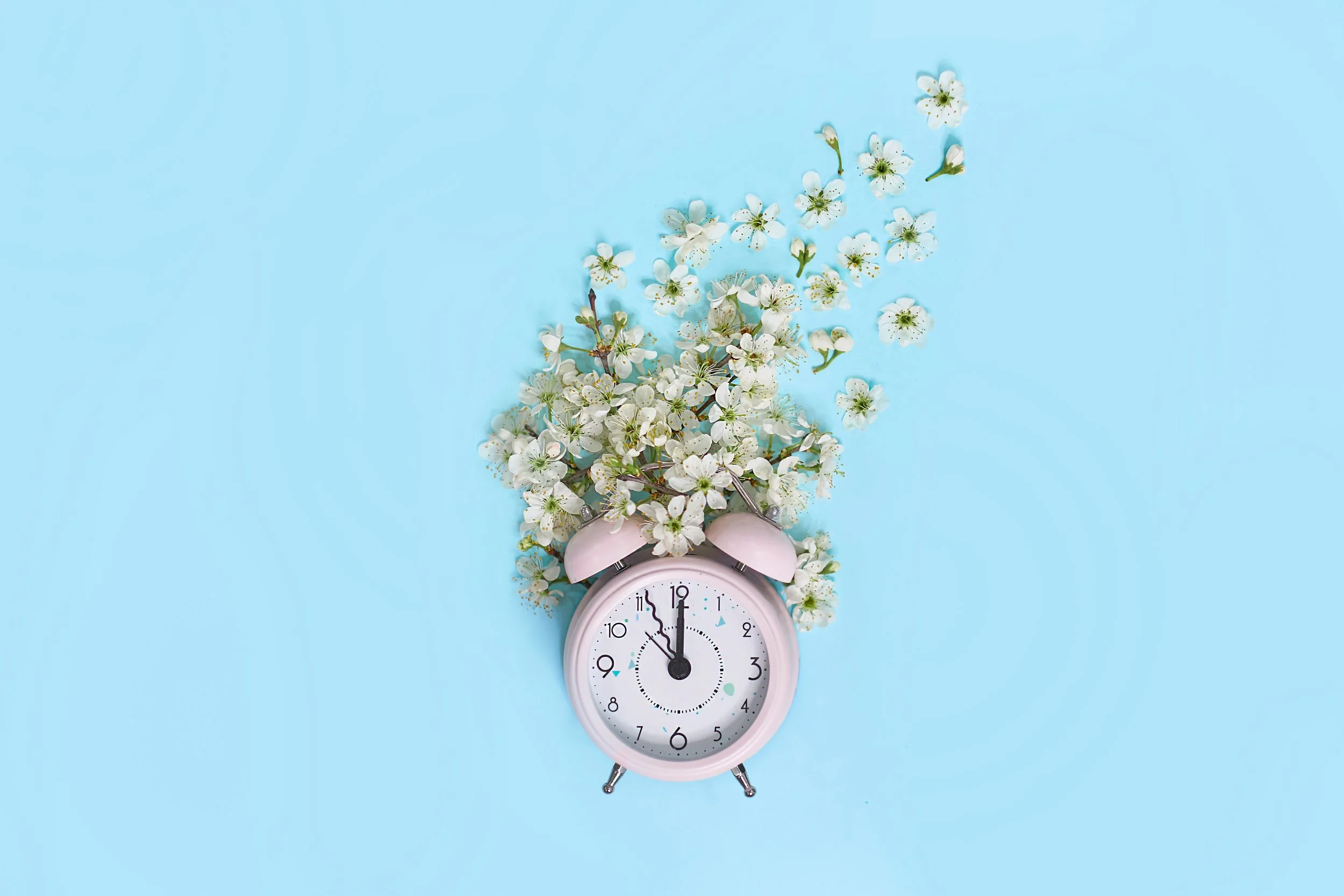
The Science of Losing an Hour: What Daylight Saving Time Does to the Body
Every spring, the clock moves forward by one hour. It appears minor on paper. Just sixty minutes. And yet, for many people, the shift feels disproportionate to its size. Sleep feels lighter. Mornings feel abrupt. Mood feels slightly unsettled. Concentration dips. The body feels off.
This reaction is not imagined. It is biological.
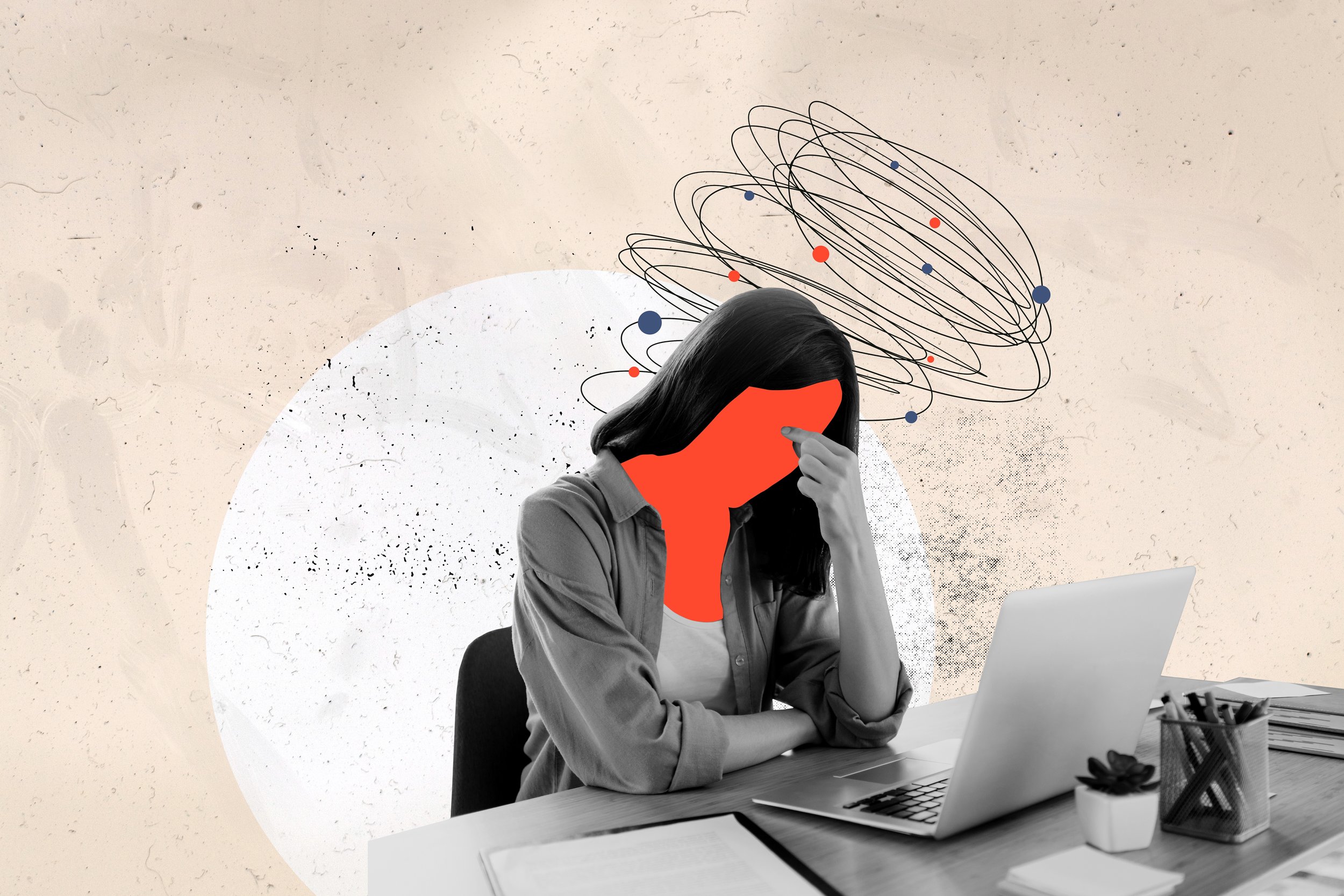
How Subtle Daily Stress Shows Up in the Body
Not all stress announces itself loudly. Some stress is sharp and obvious, tied to major events or crises. But much of what shapes how we feel each day is quieter. It comes from small interruptions, low grade pressure, background worry, constant notifications, emotional restraint, and the subtle sense of always being slightly behind.

3 Strategies From Ancient Greek Stoics To Reframe Your Stressful Thoughts In Less Than 5 Seconds
“It’s very, very difficult to get angry when you’re laughing. And my own experience is, you get good at finding the comic element of what happens.” —Irvine

Why You Struggle To Stay Awake When You're Stressed
Most people associate stress with feeling wired. But stress and fatigue also go hand in hand. It’s actually fairly common to feel the need to fall asleep when you’re incredibly high-strung, although nothing has been definitively confirmed in scientific literature as to why.